2026 Legging Fabrics: Top Fabrics Retailers Will Be Betting on Next Year
- Gym Leggings
- December 24, 2025
Article Overview
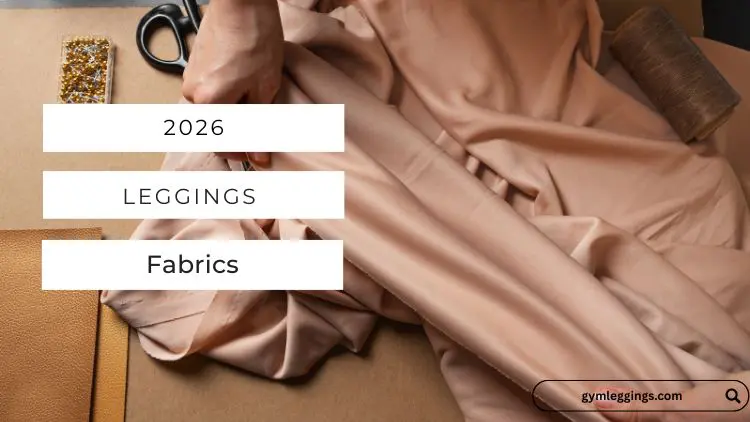
2026 is going to be quite exciting when it comes to legging fabrics. The fabrics are expected to go next-gen. You can expect textiles, bio-based yarns etc. responding to the microclimate of the body. New materials will come in to redefine comfort, sustainability and performance for consumers. Whether you are a retailer or a private label seller, you can get a fantastic chance to make your leggings stand out with colors and silhouettes as well as organic fabric stories that matter a lot to consumers today. Take a look at the top fabrics that retailers will be betting on next year, in the legging segment.
Bio-Based & Recycled Performance Fabrics
Brand owners cannot ignore sustainability in 2026. In the coming year, you will find a rising demand for bio-based polyamides extracted from renewable feedstocks, such as:
- Sugarcane
- Castor beans and even
- Agricultural waste
These yarns will rival the likes of traditional petroleum-based fibers and manage to reduce associated emissions at the same time. Recycled fibers will also get much more sophisticated in the months to come. Rather than basic recycled polyester, you will find a surge in demand for high-tenacity recycled nylons that are dense, smooth and ideal for the construction of compressive leggings.
Butter-Soft Matte Blends
Genz is looking for super soft, matte fabrics that give an ultra-soft feel to the skin and remain supportive. In the coming year, you will find these coming from carefully tuned blends of polyester with high-stretch elastane or micro-denier nylon.
At times, you can also expect a touch of bio-based cellulosic for added softness.
Seamless & Engineered Knit Technologies
Seamless technology is evolving fast. In the coming year, these will include variable knit densities to lend breathability, compression and flexibility in targeted areas, with no panels or seams added to the mix.
You will find advanced circular knitting machines integrating:
- Rib channels around the waist for anti-roll stability,
- Open meshes behind the knees for extra ventilation and
- Denser structures around the hips and thighs for subtle shaping
The absence of regular cut-and-sew seams reduces chafing and waste while improving comfort. You can also play with tonal textures and subtle jacquards for your brand, to ensure visual interest without compromising technical performance.
Adaptive Stretch & Smart Compression
At one time, light, medium and high compression were the norms. You will soon find fabrics adapting to the body and activity level. There will be a rise in demand for next gen stretch yarns that mix multi-filament elastane with engineered polyamides, showing varied responses under varying degrees of tension.
You will see smart compression zones being woven or knit in, without adding extra bulk. Quads, glutes and calves will get the right amount of hug, without blood flow being hindered.
Moisture-Intelligent & Heat-Adaptive Textiles
From the next year, full microclimate control will replace simple moisture-wicking, when it comes to moisture management in fabrics. You will see a growing integration of bi-component yarns and cross-section fibers. These will manage to move sweat along multiple channels. It will help sweat to evaporate across a wider surface area. Wearers will feel drier even during interval or hot yoga sessions.
Heat-adaptive textiles will be even more beneficial. Some fabrics integrate phase-change materials (PCMs). These can absorb excess heat when the body warms up. As wearers cool down, it will be released gradually.
Anti-Odor & Easy-Care Finishes
For performance leggings, odor control is becoming table stakes. In 2026, collections are going to be more durable and eco-considered solutions. Certain bio-based polyamides or yarns will start to be infused with minerals. These will help to disrupt odor causing bacteria.
Easy-care is another key angle. Next gen finishes will improve stain release. These will resist lint, pet hair and dust as well as manage to maintain softness and stretch.
Luxe Touch Will Meet Technical Performance
With buyers looking for pieces that feel luxurious and function like pro gear, the divide between “performance legging” and “lifestyle legging” is fading. In 2026, there will be a growing demand for fabrics that mimic the liquid drape of silk or the cozy comfort of cotton.
Fine-gauge double knits with a silky outer face and a brushed inner will be the norm. Softness, less swish noise and a premium handcrafted feel will be the key differentiators in this space.
What This Means for Activewear Brands?
There are plenty of strategic and creative opportunities for activewear brands, due to such fabric innovations. Product teams will be able to design slimmer and more minimal silhouettes.
Storytelling can shift to detailed narratives about engineered compression zones, microclimate control and bio-based content.
Brand owners will continue to get a competitive advantage by maintaining transparency around fiber origins, durability and finishing chemistries.
In 2026, next-gen legging fabrics will come with a perfect blend of performance, comfort and sustainability. Provide your consumers with more reliable, highly comfortable and wholesale eco-conscious leggings that match their needs and values. Make your brand soar high!